Powdery Mildew Control
Powdery Mildew Control
Powdery mildew is one of the most common and frustrating plant diseases, capable of spreading quickly and reducing yields if left untreated. Recognising how it develops—and how to stop it—is key to protecting your grow room.
Powdery mildew thrives in warm, humid environments with poor airflow and overcrowded plants. Overwatering, excessive humidity, or introducing contaminated tools or infected plants can quickly trigger an outbreak. Once spores are present, they spread fast across leaves, stems, and flowers.
Powdery Mildew Prevention & Treatment
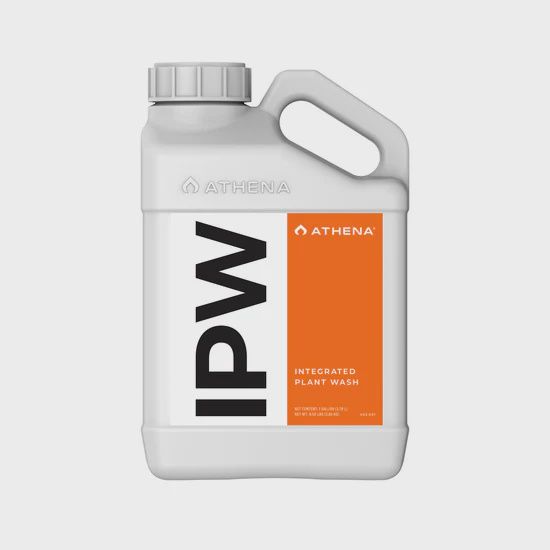
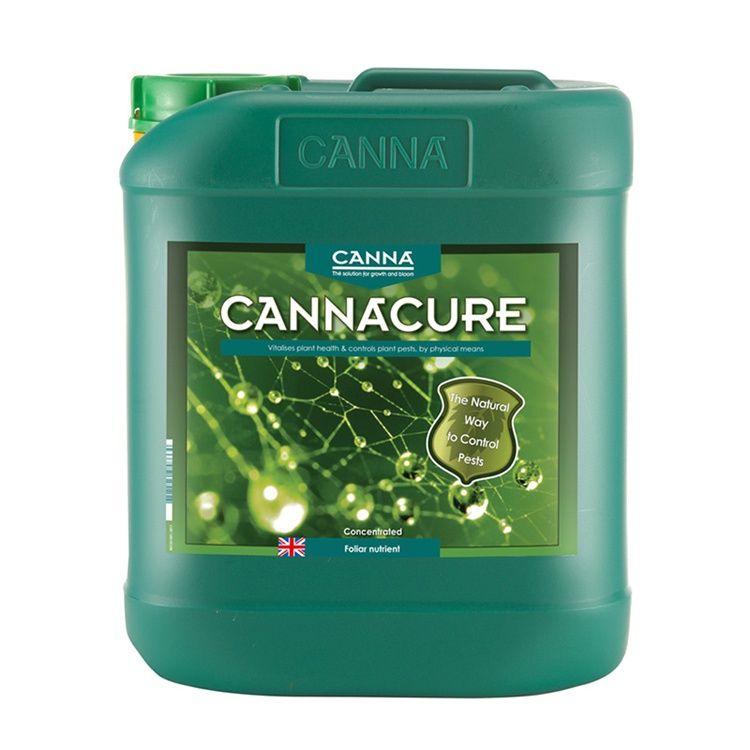
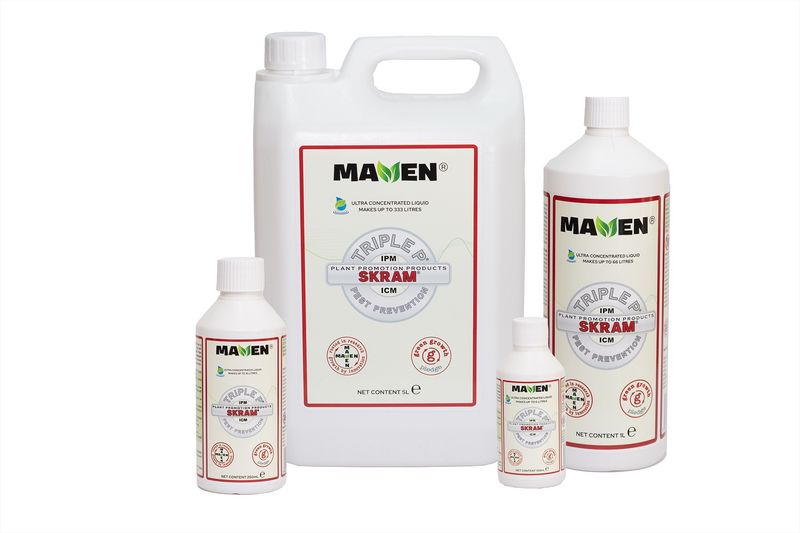
- Fungicides: Target existing mildew and protect leaves from further infection.
- Airflow Improvements: use air circulating fans to move any stagnant air in the grow room also make sure you have the right size extraction for your area.
- Humidity Management: Keep humidity levels stable to stop spores from spreading using a dehumidifiers.
- Grow Room Cleaning: Sanitisers and surface cleaners to prevent spores taking hold.
Quick Guide: Spotting Powdery Mildew
| Stage | Symptoms | Action |
|---|---|---|
| Early | White powder spots on leaves | Apply fungicide sprays, increase airflow |
| Mid | Spots spread, leaves curl/yellow | Use dehumidifier to achieve correct humidity |
| Late | Widespread infection, reduced growth | Remove heavily infected material, treat aggressively |
Powdery Mildew FAQs
What causes powdery mildew?
High humidity, poor airflow, and overcrowding are the most common causes. Spores can also spread from contaminated tools or nearby plants.
Is powdery mildew harmful to plants?
Yes—while rarely fatal on its own, it weakens plants, reduces photosynthesis, and leads to lower yields if untreated.
Can I prevent powdery mildew completely?
With the right setup—good airflow, stable humidity, regular cleaning, and preventive products you can minimise the risk dramatically.
Do I need to treat every plant?
Yes—spores spread fast. Even if only a few leaves are affected, treat the whole grow space to stop further outbreaks.

Display prices in:GBP